
"optimal coffee cups"
900 article(s) found

Is the optimal concentration of coffee defined for drip coffee and espresso?
Professional coffee knowledge exchange more information about coffee beans Please pay attention to the coffee workshop (Wechat official account cafe_style) the optimal concentration of coffee is difficult to define, just like most of the subjective aspects of coffee. Everyone wants their drinks to be different. Take myself as an example, the ideal concentration means a full taste, but it will not rob the host and take away the flavor.
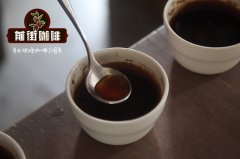
The optimal extraction rate for a cup of coffee what are the normative guidelines for brewing coffee?
Professional coffee knowledge exchange more coffee bean information please pay attention to the coffee workshop (Wechat official account cafe_style) gold cup theory we already know that the main component of coffee grounds is cellulose, then coffee powder in the process of turning coffee grounds, about 30% of the substance will be dissolved by water. The dissolved coffee substance accounts for the weight of all coffee powder, which we call it.

Boutique Coffee Ember Smart Mug: Keeps Coffee at Optimal Temperature for Longer
Brewed coffee has a small opening that allows it to cool to the desired temperature, but sometimes it gets cold quickly, especially if you have other distractions in the morning. California-based Ember Technologies has developed a coffee mug that claims to keep your drink at the right temperature for a long time, allowing users to set the temperature via a smartphone app or by turning the bottom of the cup.

Handbrewing coffee auxiliary tool LilyDrip V60 filter cup balance cone how to optimize handbrew flavor?
Professional coffee knowledge exchange more coffee bean information Please follow the coffee workshop (Wechat official account cafe_style) with the popularity of boutique coffee, hand-brewed coffee has become a part of many people's lives. While pursuing the fun of brewing coffee, we study more filter cups / tools that can make the hand-brewing process easier, stable and more fault-tolerant, and change the physical conditions.

How does the sour and bitter in coffee come from?
Many thermal and chemical reactions take place during baking: decarbonation, dehydration of quinic acid, subdivision, isomerization, polymerization, and complex sugar reactions (caramelization).
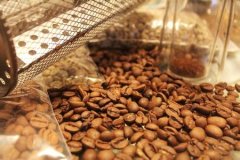
The basic chemical reaction that takes place during coffee roasting.
Basic chemical reactions that occur during coffee roasting author: Carl Staub originates from the SCAA baking color classification system, developed by Agtron SCAA 1995 original text from: http://www.sweetmarias.com/roast.carlstaub.html translation: Grant, http://www.baristacn.com/forum/thread-1583-1-1.html in the roasting process
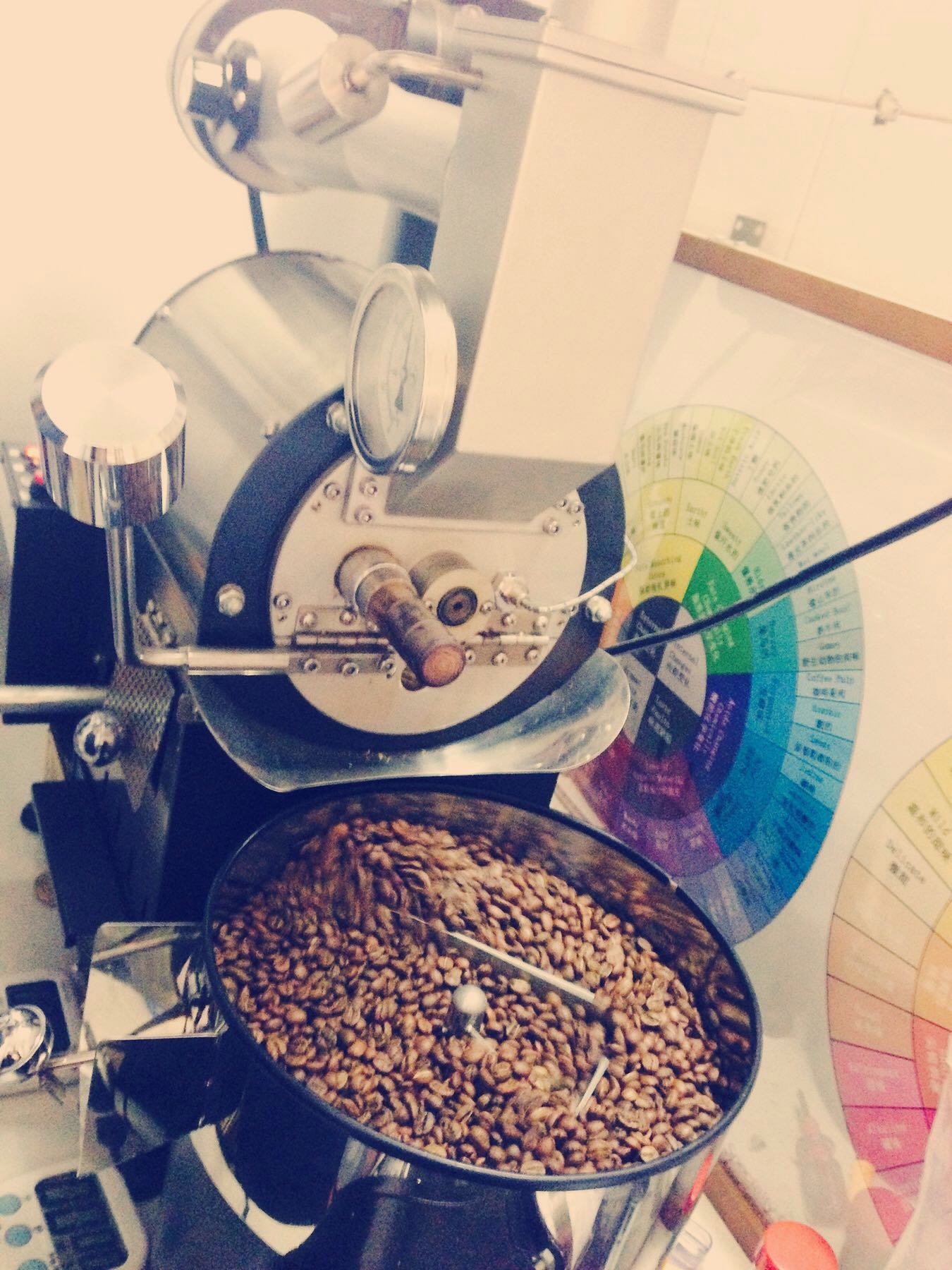
Key points of coffee roasting techniques: basic chemical reactions that take place during coffee roasting
Basic chemical reactions that occur during coffee roasting author: Carl Staub originates from the SCAA baking color classification system, developed by Agtron SCAA 1995 original text from: http://www.sweetmarias.com/roast.carlstaub.html translation: Grant, http://www.baristacn.com/forum/thread-1583-1-1.html in the roasting process
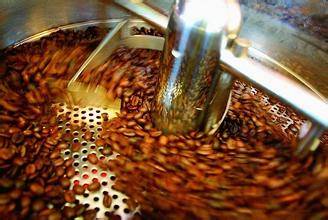
The basic chemical reaction that occurs during coffee roasting. The ingredients produced by the degree of coffee roasting.
Basic chemical reactions that occur during coffee roasting author: Carl Staub originates from the SCAA baking color classification system, developed by Agtron SCAA 1995 original text from: http://www.sweetmarias.com/roast.carlstaub.html translation: Grant, http://www.baristacn.com/forum/thread-1583-1-1.html in the roasting process
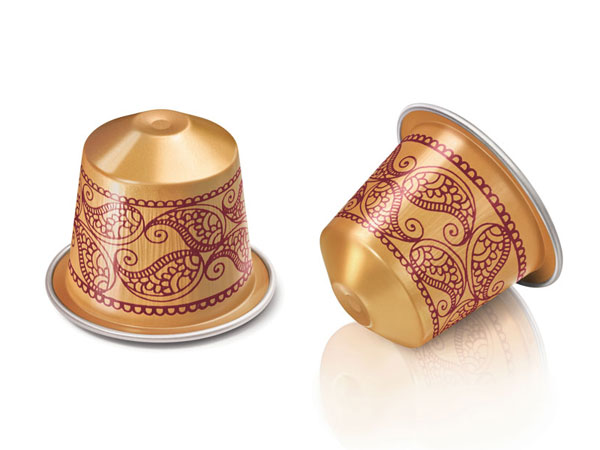
Nespresso new limited edition Malaba monsoon coffee capsule
Committed to bringing an extraordinary coffee experience to coffee lovers around the world, Nespresso continues to bring forth the new, presenting the much-anticipated limited edition selected coffee capsules, and continues to create surprises for Nespresso club members and coffee lovers to experience unparalleled cups in a new aroma and taste. New limited edition Malaba monsoon (Monsoon Malabar)

Study on the Technical Optimization of Coffee Bean roaster how to improve the uneven Baking of Coffee Bean roaster
Professional coffee knowledge exchange more coffee bean information Please pay attention to the coffee workshop (Wechat official account cafe_style) as the living habits of Chinese people are gradually westernized, people's demand for coffee is increasing day by day, one cup of coffee a day has become a living habit of many people, and coffee has become another drink choice for people in addition to tea. Many people start their day by sipping coffee
Basic chemical reactions that occur during coffee roasting
Many thermal and chemical reactions take place during baking: decarbonation, dehydration of quinic acid, fragmentation, isomerization, polymerization, and complex sugar reactions (caramelization). The main thermally reactive components are monosaccharides and sucrose, chlorogenic acid, displaced amino acids, and trigonelline amide. Both aravinone and calactose in polysaccharides are transferred, and basic sulfurization contains hydroxyamino acids.
The basic chemical reaction of coffee roasting process
Many thermal and chemical reactions take place during baking: decarbonation, dehydration of quinic acid, subdivision, isomerization, polymerization, and complex sugar reactions (caramelization). The main components of the thermal reaction are monosaccharides and sucrose, chlorogenic acid, free amino acids, and fenugreek amide. Both aravinose and calactose in the polysaccharides are transferred, and the basic vulcanization contains hydroxylated amino acid.
The basic chemical reaction that takes place during coffee roasting.
Many thermal and chemical reactions take place during baking: decarbonation, dehydration of quinic acid, subdivision, isomerization, polymerization, and complex sugar reactions (caramelization). The main components of the thermal reaction are monosaccharides and sucrose, chlorogenic acid, free amino acids, and fenugreek amide. Both aravinose and calactose in the polysaccharides are transferred, and the basic vulcanization process includes hydroxylamine.

The basic chemical reactions that take place during coffee roasting
Many thermal and chemical reactions take place during baking: decarbonation, dehydration of quinic acid, subdivision, isomerization, polymerization, and complex sugar reactions (caramelization). The main components of the thermal reaction are monosaccharides and sucrose, chlorogenic acid, free amino acids, and fenugreek amide. Both aravinose and calactose in the polysaccharides are transferred, and the basic vulcanization process includes hydroxylamine.

Basic chemical reactions of coffee beans during coffee roasting
Many thermal and chemical reactions take place during baking: decarbonation, dehydration of quinic acid, subdivision, isomerization, polymerization, and complex sugar reactions (caramelization). The main components of the thermal reaction are monosaccharides and sucrose, chlorogenic acid, free amino acids, and fenugreek amide. Both aravinose and calactose in the polysaccharides are transferred, and the basic vulcanization process includes hydroxylamine.

The basic chemical reactions that take place during coffee roasting
Many thermal and chemical reactions take place during baking: decarbonation, dehydration of quinic acid, subdivision, isomerization, polymerization, and complex sugar reactions (caramelization). The main components of the thermal reaction are monosaccharides and sucrose, chlorogenic acid, free amino acids, and fenugreek amide. Both aravinose and calactose in the polysaccharides are transferred, and the basic vulcanization process includes hydroxylamine.

The basic chemical reactions that take place during coffee roasting.
Many thermal and chemical reactions take place during baking: decarbonation, dehydration of quinic acid, subdivision, isomerization, polymerization, and complex sugar reactions (caramelization). The main components of the thermal reaction are monosaccharides and sucrose, chlorogenic acid, free amino acids, and fenugreek amide. Both aravinose and calactose in the polysaccharides are transferred, and the basic vulcanization process includes hydroxylamine.
The basic chemical reaction of coffee technology in the process of coffee roasting
Many thermal and chemical reactions take place during baking: decarbonation, dehydration of quinic acid, subdivision, isomerization, polymerization, and complex sugar reactions (caramelization). The main components of the thermal reaction are monosaccharides and sucrose, chlorogenic acid, free amino acids, and fenugreek amide. Both aravinose and calactose in the polysaccharides are transferred, and the basic vulcanization process includes hydroxylamine.
Bonavita another wave of high-style hand brewing pot bonavita China Coffee Network
Abstract: the new hand punching pot for induction cooker includes classic stainless steel and rose gold. Continue the professional fine-pointed spout design, control the flow is still excellent; optimize the handle, more smooth lines, feel more comfortable, in line with ergonomics, access to global patent protection; capacity 0.7L-1.0L can

Cool techs unknown inside story of Starbucks-alliance with Microsoft, transformation to embrace the cloud!
Professional coffee knowledge exchange more coffee bean information please follow the coffee workshop (Wechat official account cafe_style) Starbucks currently has more than 28, 000 stores in 77 countries, more than 330000 employees in green aprons and an average of 100 million customers a week. How to use technology to simplify the work process, improve employee efficiency, and even add more wisdom